

Wolf and Darwin are two of the most remote islands in the Galapagos Archipelago. Located far to the northwest of the main island group, these volcanic islands offer a unique and unforgettable diving experience. Known as the “Northern Tier” of the Galapagos, these islands are renowned for their pristine marine ecosystems and abundant wildlife.
Due to their isolation, Wolf and Darwin have become a sanctuary for marine life. Divers can encounter large schools of hammerhead sharks, manta rays, whale sharks, and a variety of other pelagic species. The nutrient-rich waters surrounding these islands support an incredible diversity of marine life, making them a bucket-list destination for scuba divers.
The dramatic underwater topography of Wolf and Darwin, with steep drop-offs, seamounts, and underwater caves, creates a stunning and dynamic diving environment. The combination of strong currents and nutrient-rich waters attracts large predators and makes for thrilling encounters. Whether you’re a seasoned diver or a beginner, Wolf and Darwin offer something for everyone.
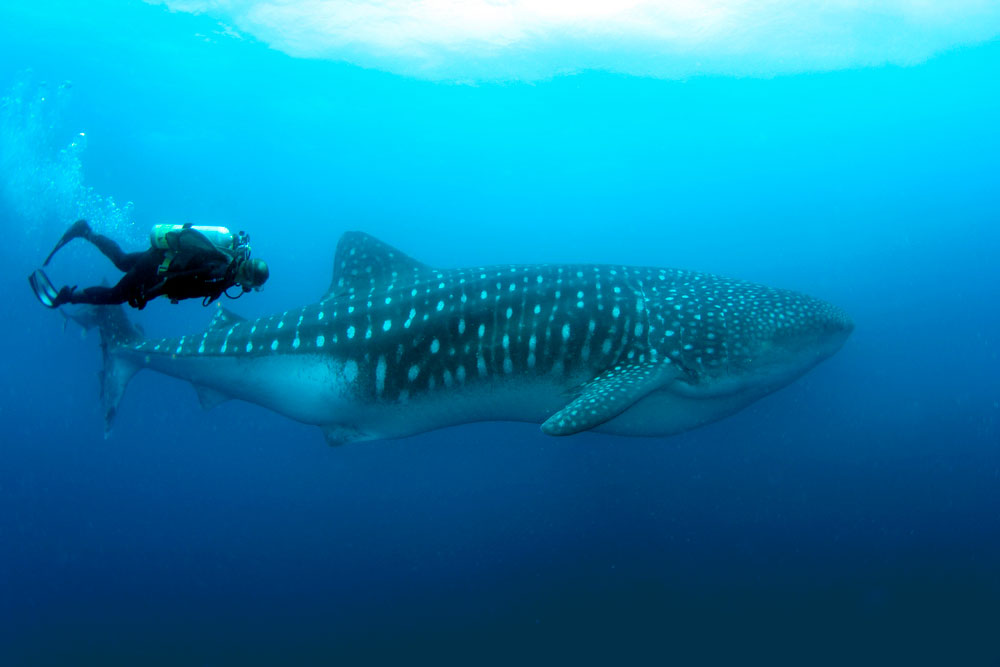
Unique Marine Fauna: Endemic and Rare Species
Endemic and Rare Species: Wolf and Darwin are home to several endemic and rare marine species that cannot be found anywhere else on Earth. These include:
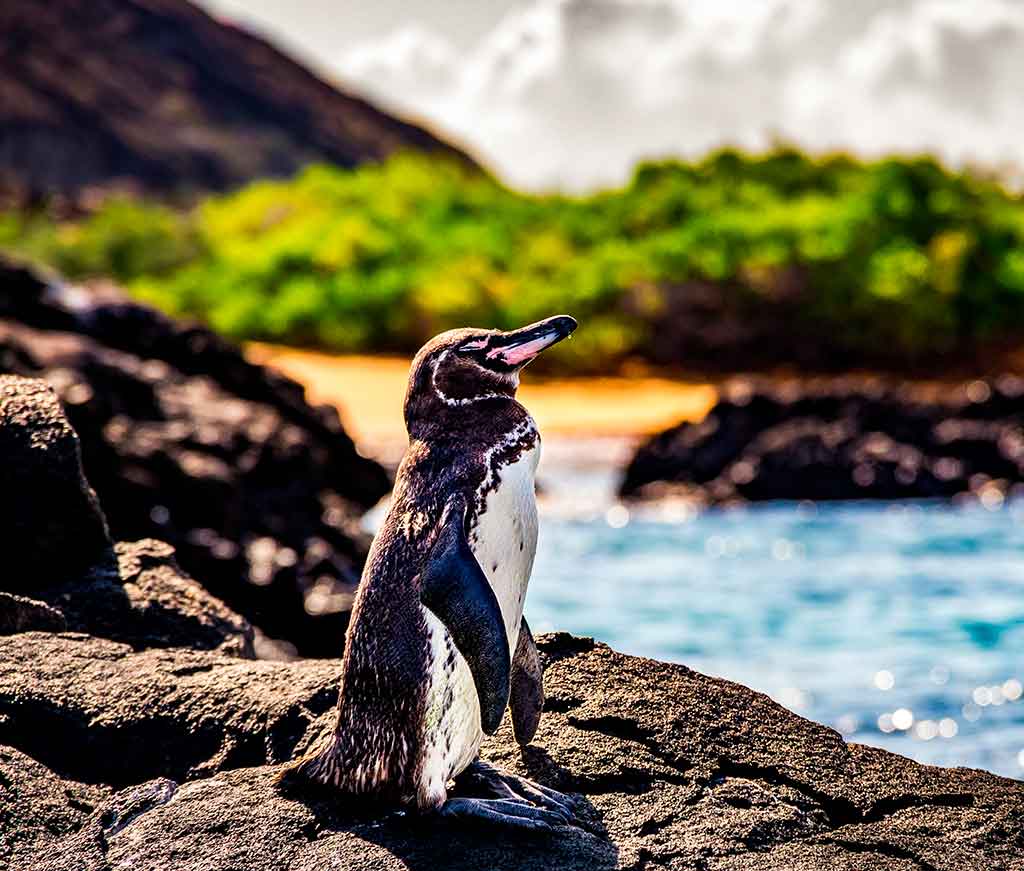
- Galapagos penguin: The only penguin found north of the equator, these small penguins have adapted to the warm tropical waters by huddling together for warmth.
- Galapagos sea lion: Known for their playful and curious nature, Galapagos sea lions are endemic to the archipelago and are often seen interacting with divers.
- Mola mola: Also known as ocean sunfish, these massive fish can be spotted in the waters around Wolf and Darwin, often basking at the surface.
- Galapagos shark: This species is unique to the Galapagos Islands and is known for its distinctive black tips on its fins.
- Marine iguanas: While more commonly seen on other Galapagos islands, marine iguanas can also be spotted in the waters around Wolf and Darwin.
Pelagic Species: Due to the strong currents and nutrient-rich waters, these islands attract a variety of pelagic species, including:
- Hammerhead sharks: Wolf and Darwin are famous for their large schools of hammerhead sharks, offering divers unforgettable encounters.
- Whale sharks: These gentle giants can be seen during certain times of the year, feeding on plankton.
- Manta rays: Both reef and oceanic manta rays are common in the area, performing graceful underwater acrobatics.
- Silky sharks: These sleek and fast sharks are often seen cruising the open waters.

Unique Marine Ecosystems: The combination of volcanic formations, strong currents, and nutrient-rich upwellings creates unique marine ecosystems, such as:
- Coral gardens: Despite the cold waters, delicate coral formations can be found in certain areas, providing habitat for a variety of marine life.
- Sea mounts: These underwater mountains create diverse habitats for marine organisms, including sponges, corals, and fish.
- Deep-water ecosystems: The steep drop-offs around these islands offer opportunities to explore deep-water habitats, where unique and rarely seen species may be encountered.
Diving Conditions: Currents, Visibility, and Average Depth
Strong Currents: Wolf and Darwin are renowned for their strong currents, which are primarily driven by the Humboldt Current and local tidal influences. These currents bring nutrient-rich waters to the area, attracting large schools of fish and marine mammals. Divers must be experienced and comfortable in strong currents
Variable Visibility: Visibility can vary significantly depending on weather conditions and plankton blooms. Generally, visibility is best during the dry season (June to December), when there is less plankton in the water. However, even during the dry season, visibility can be affected by upwellings and strong currents.
Deep Diving: Due to the dramatic underwater topography, dives in Wolf and Darwin often involve significant depth changes. Experienced divers can explore deep walls, seamounts, and underwater caves. However, it’s essential to adhere to safe diving practices and dive within your limits.
Average Depth: The average depth for dives in Wolf and Darwin can vary widely depending on the site and the experience of the divers. However, it’s not uncommon for dives to exceed 100 feet (30 meters).
To fully experience the unparalleled underwater world of Darwin and Wolf, consider embarking on a liveaboard dive cruise; Calipso Galapagos Yacht, Tiburon Explorer, Galaxy Diver II These specialized vessels are designed to provide divers with the ultimate comfort and access to the most remote and pristine dive sites.

Diving Cruise
Wolf and Darwin offer an unparalleled diving experience for experienced divers. The strong currents, deep dives, and abundant marine life make these islands a bucket-list destination. However, it’s essential to choose the right time of year and to dive with a reputable operator to ensure a safe and unforgettable adventure.



interesting